
Aantal spelers: 2-5
Speelduur: 45-60 minuten
Leeftijd: Vanaf 10 jaar
Auteur: Jonathan Gilmour-Long, David Gordon (I)
Uitgever: 999 Games
Jaar: 2026
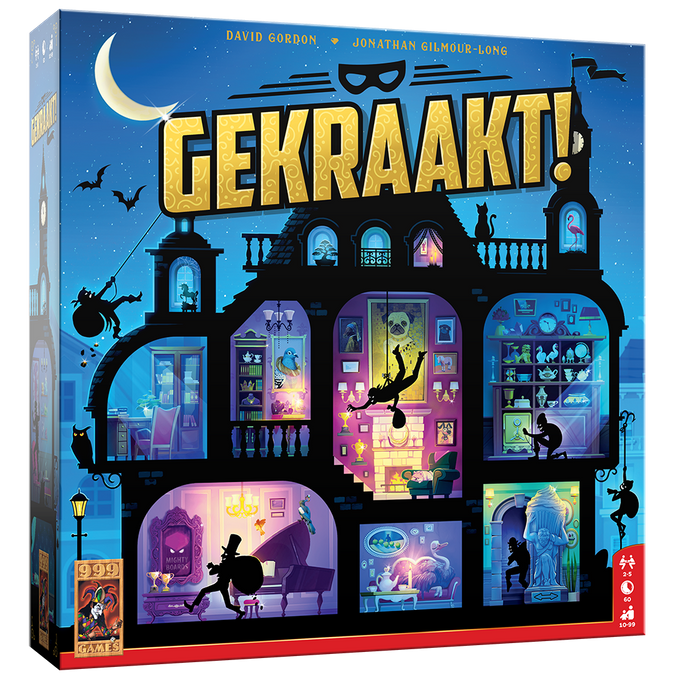

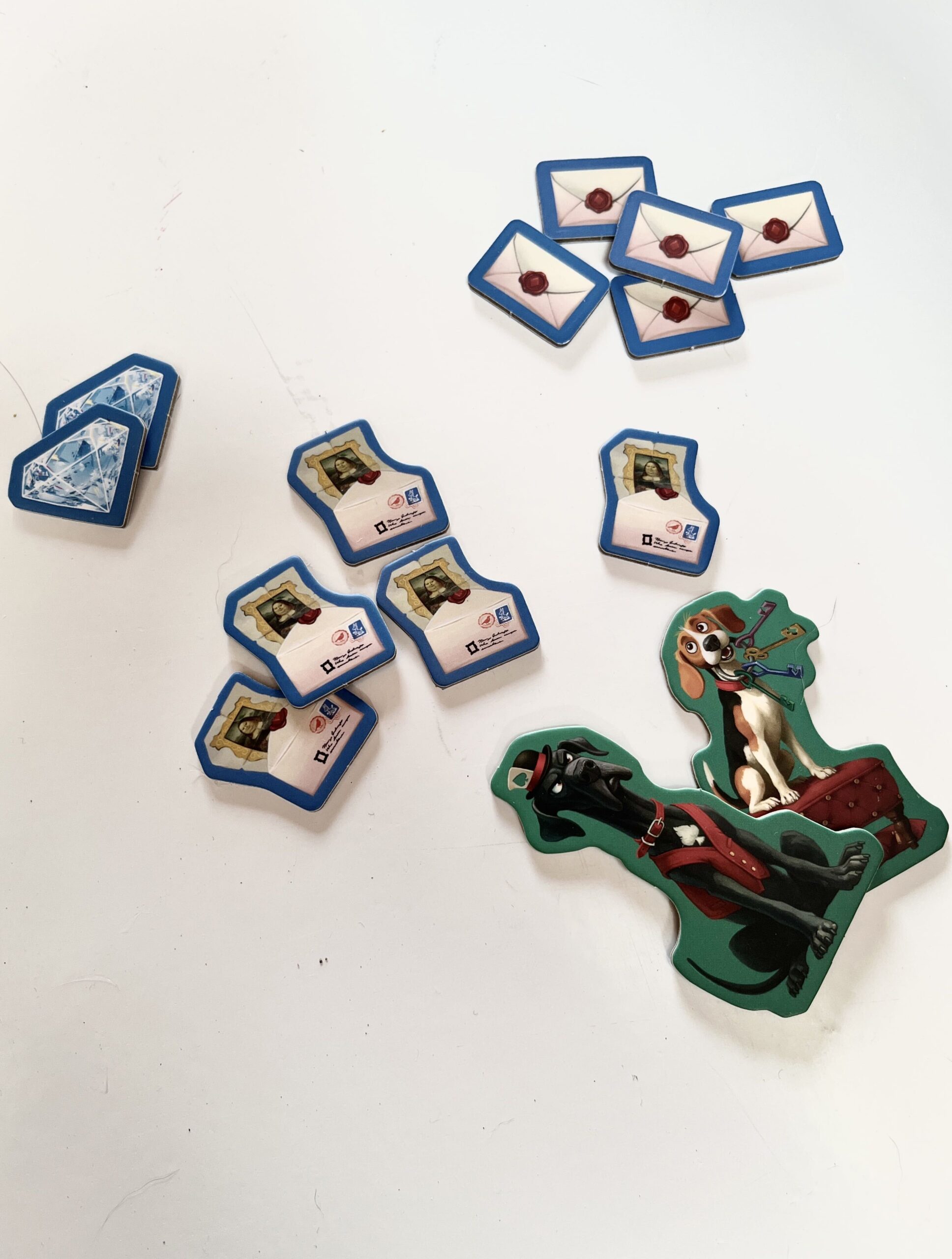
Heb je ooit al eens gefantaseerd om de perfecte overval te plannen met jouw team van kleine boefjes? Een tijdje terug vond er een overval plaats in het Louvre die nogal tot de verbeelding sprak. Toen werd de Mona Lisa niet gestolen, maar in Gekraakt! kan jij de Lisa Mona stelen als het je lukt om de rest van je team op het verkeerde been te zetten.
Spelverloop
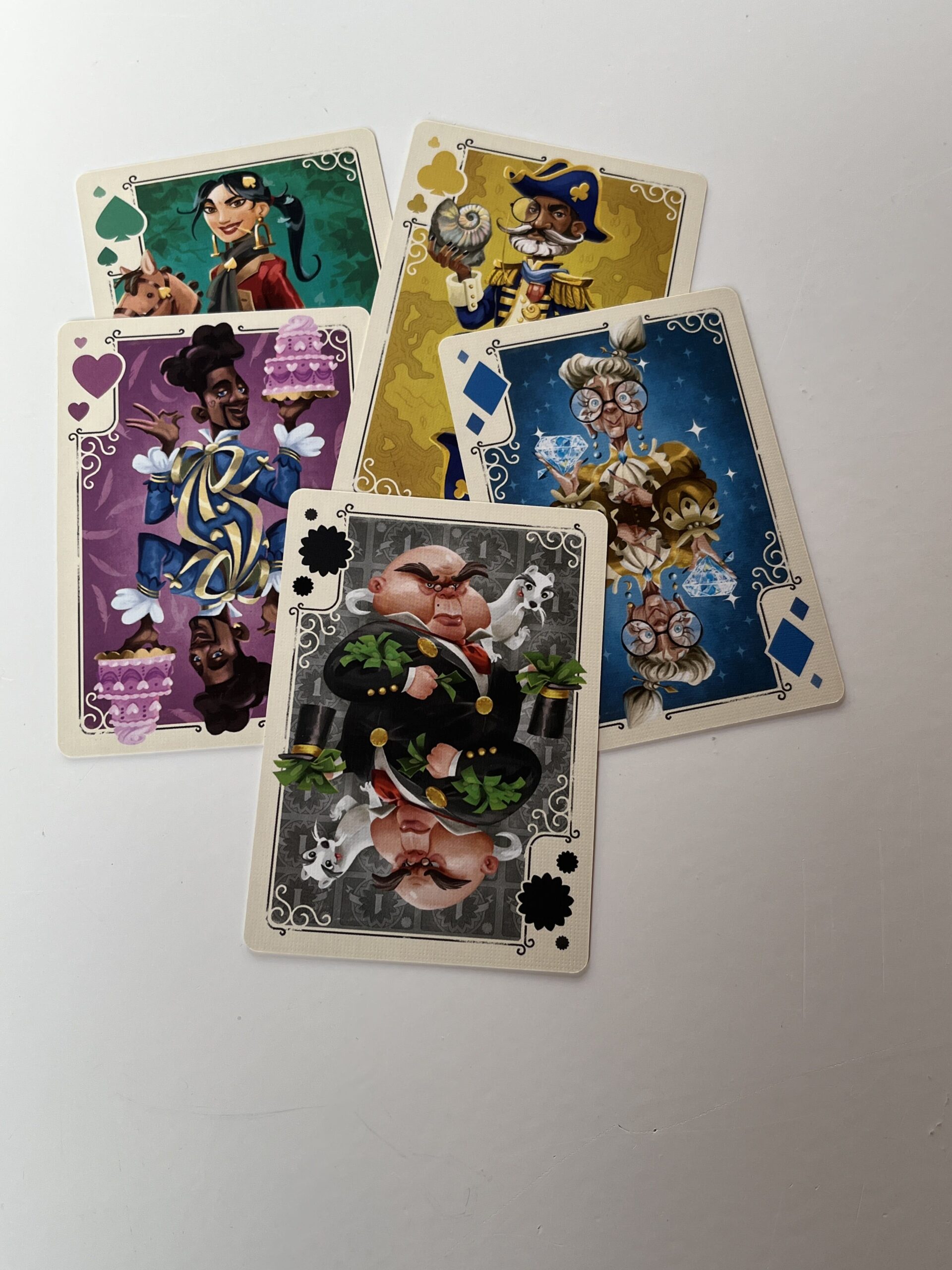
Tijdens het spel ga je een overval plannen om met zoveel mogelijk waardevolle voorwerpen of geld te eindigen na een aantal rondes die telkens een week voorstellen. Elke week is elke speler een keer het brein achter de organisatie en als je niet zelf het brein bent, probeer je aan te sluiten bij deze speler die de overval plant om zo mee te kunnen delen in de waarde die gestolen wordt.
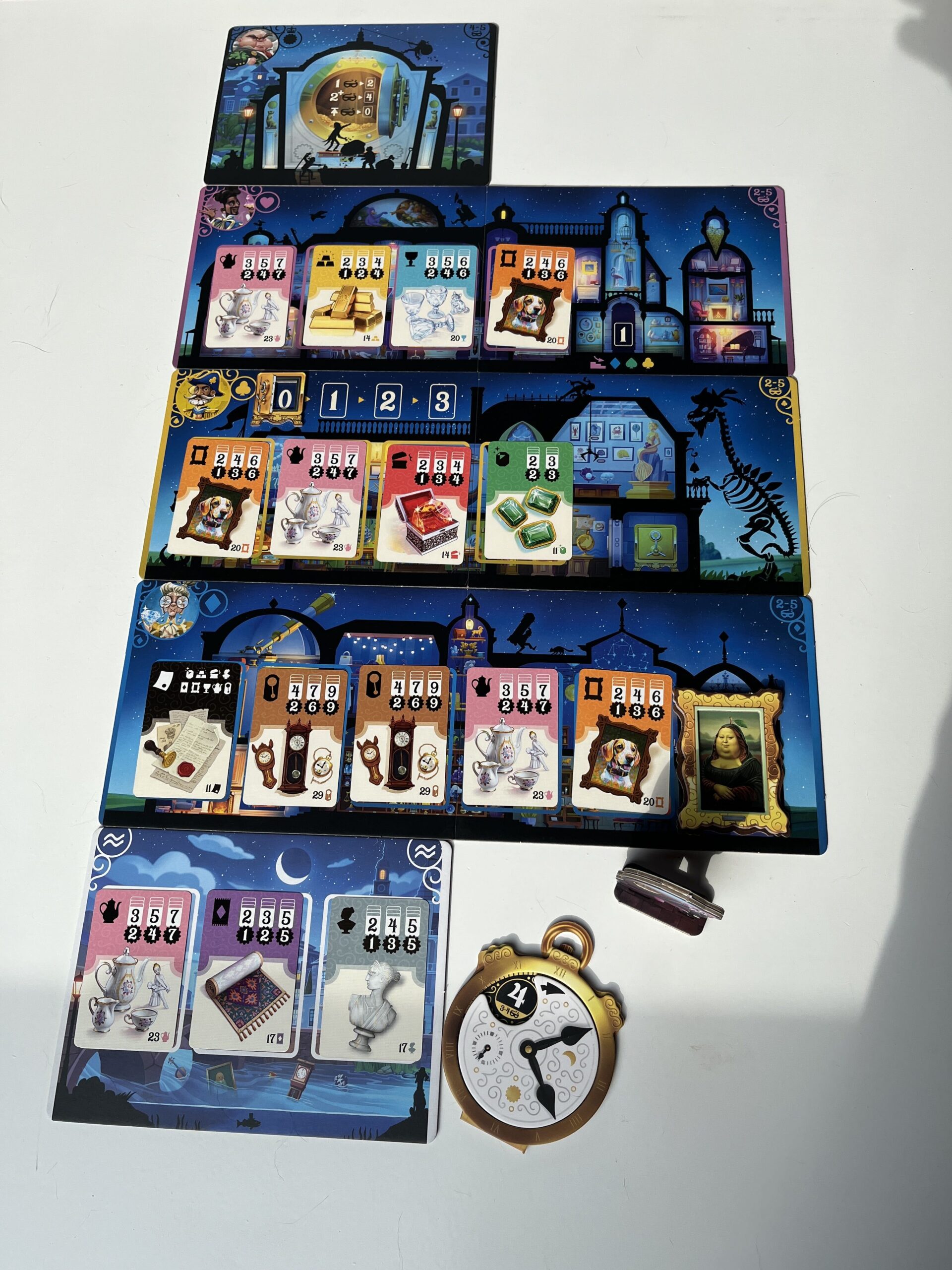
Als planner van de overval kies je in het geheim een van de locaties om te overvallen. Als je een locatie hebt gekozen gaan de andere overvallers of spelers proberen te achterhalen waar de meesterovervaller naartoe gaat om mee in de prijzen te kunnen vallen. Tijdens deze fase vergroot je de spelerservaring door veel tegen elkaar te babbelen en op die manier te proberen achterhalen of “the mastermind” bluft of niet.
Daarna kiezen de andere spelers een locatie en worden tegelijkertijd alle keuzes getoond.
Tijdens de volgende fase gaat de overval door en kiest elke speler die de juiste locatie (de locatie van het meesterbrein) heeft gekozen, een schat van diezelfde locatie en zo wordt de waarde verdeeld. Dit is de reden waarom het meesterbrein het liefst alleen op de locatie aankomt, want zo krijgt hij/zij alle schatten van die locatie en mag hij de mogelijke speciale voordelen activeren.
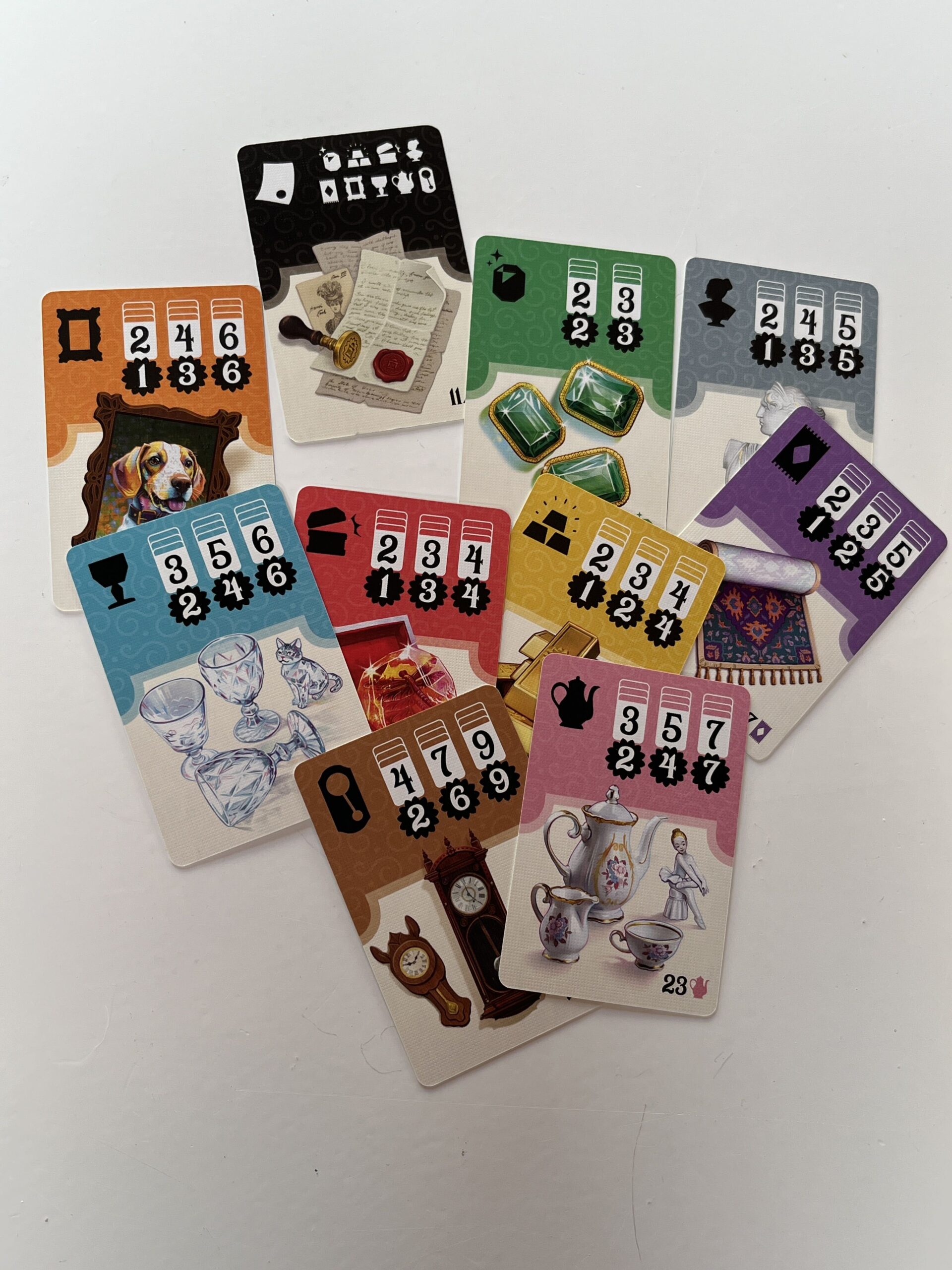
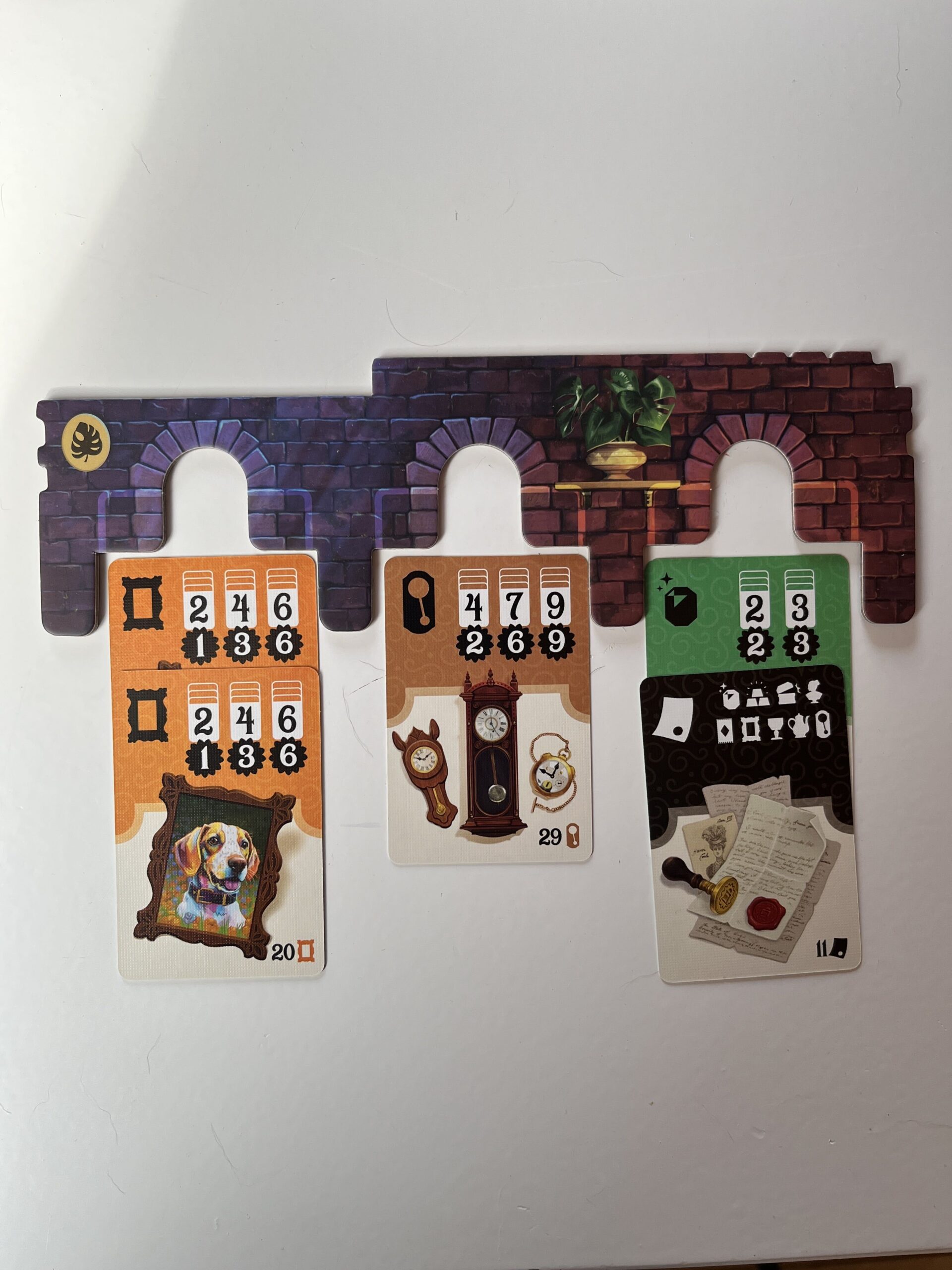
Na de overval mag je jouw buit opslaan op een van je plekken op jouw persoonlijk bord. Hier moet je aan enkele regels voldoen. Ten eerste moet je de voorwerpen van dezelfde soort bij elkaar leggen op dezelfde plek. Hoe meer je van 1 soort hebt, hoe waardevoller die collectie wordt. Elk voorwerp van een nieuw type moet op een leeg plekje op je bord komen. De voorwerpen die niet meer op je bordje passen blijven in jouw hand tot je de volgende keer het meesterbrein wordt. Je hebt ook voorwerpen die als joker dienen om bij gelijk welke collectie te passen, zodat je op die manier je collectie ook kan uitbreiden.
Als iedereen zijn/haar buit heeft bewaard, mag het meesterbrein voorwerpen verkopen of dumpen. Hij/zij kan er dan voor kiezen om een set te verkopen voor de waarde die op de kaarten staat, waarbij je meer verdient als je meer van dezelfde soort hebt. Het meesterbrein kan zoveel verkopen als hij wilt, en van zodra een plekje op zijn of haar spelersbordje vrijkomt kan er een nieuwe collectie op gestart worden uit zijn hand. Eens er beslist wordt om niet meer verder te verkopen, moet het meesterbrein alle kaarten die zich nog op handen bevinden weggooien.
Terwijl het meesterbrein verkoopt en dumpt mogen alle andere spelers (startend met de speler links naast het meesterbrein) een kaart uit de rivier.
Tenslotte worden alle locaties weer aangevuld en schuift de token voor het meesterbrein door naar de volgende speler.
In de basis is dit het spel, maar eens je hiermee bekend bent heb je de optie om de speciale locatie-acties toe te voegen om het spel spannender te maken. Zo komt er vanaf 4 personen bijvoorbeeld een bank bij waarbij je als meesterbrein net wilt dat je er niet alleen naartoe gaat, maar ook niet met iedereen.
Plan je overval goed, en deel genoeg, maar niet alle info aan de andere overvallers om een zo succesvol mogelijke inbraak te organiseren.
Spelmechanisme
In dit spel staan elementen als bluffen en deductie centraal, aangezien het doel is om te weten te komen waar de planner naartoe gaat. Probeer je de andere overvallers op het verkeerde spoor te zetten door te bluffen of net door te dubbel bluffen, de keuze is aan jou. Maar kies juist, want voor je het weet blijft er niet veel van de buit over.
Bovendien bevat Gekraakt! ook een aspect van set collectie aangezien je zoveel mogelijk van eenzelfde soort buit wilt verzamelen zodat die meer waarde krijgt.
Mijn bescheiden mening
Ik was geïnteresseerd in het spel toen ik onderzoek deed voor Spiel ’25 maar toen ik aan de stand kwam was alles reeds uitverkocht en was er een heel lange rij om het spel te spelen, waardoor ik het toen heb opgegeven. Een maand later kreeg ik dan de kans om het spel te spelen op de beurs Spel Antwerpen bij een stand van een van de bordspellenclubs die er aanwezig waren. We hadden toen zo’n fijne ervaring dat ik overtuigd was dat ik het spel wou hebben, maar kon me steeds inhouden als ik het ergens zag passeren, tot ik hoorde dat het in het Nederlands ging verschijnen bij 999 Games. Ondertussen heb ik het spel ontvangen en ontdekt dat het spel echt een goede basis biedt voor een leuke ervaring met een groep mensen. Er wordt veel gelachen en gebluft en ik heb me er al elke keer mee geamuseerd. De leuke kwinkslag die in het spel zit zoals bijvoorbeeld het schilderij van de Lisa Mona zijn voor mij echt een fijne toevoeging en ik kan het spel echt aanraden voor families of vriendengroepen die graag eens een luchtig spelletje spelen met wat meer diepgang dan een partyspel.
Wat maakt het spel zo sterk?
- Luchtig spel met heel makkelijk te leren regels.
- Komt vlot op tafel.
- Leuke tekenstijl met grappige kwinkslag.
- Wordt beter met een groep die durft meedoen aan de zogenaamde “tabletalk” omdat het spel op die manier grappiger en fijner wordt.
Is het alleen maar positief?
Ik kan me voorstellen dat het spel niet voor iedereen is en dat niet iedereen de stijl kan waarderen, maar voor mij werkte het wel. Zoals hierboven gezegd kan het spel saai worden als er niet gebluft en gebabbeld wordt tussen de rondes om uit te zoeken waar de planner naartoe gaat. Het hangt dus ook wel wat van de groep af of dit spel werkt, maar met de juiste groep is het een fijn luchtig spel. Tenslotte is er de mogelijkheid dat het spel eentonig wordt na X aantal keer spelen, omdat er weinig variatie aan te brengen is eens je met de gevorderde versie speelt. Het enige dat dan het spel nog echt beïnvloedt is de spelersgroep en de dynamiek aan tafel.
Conclusie
De grappige ondertoon, tekenstijl en dynamiek aan tafel maken het voor mij wel echt een blijver. Ik heb dit met plezier gespeeld en breng het met plezier weer op tafel. Misschien duurt het spel net iets te lang voor de luchtigheid ervan, maar het is wel noodzakelijk dat je niet maar 1 keer de rol van meesterbrein krijgt. Voor mij was het dus een fijne toevoeging aan de spellenkast en ik geef het spel dan ook met veel plezier een mooie 7.5/10.

Pinched!
Players: 2-4
Time: 45-60 minutes
Age: 10+
Author: Jonathan Gilmour-Long, David Gordon (I)
Publisher: Mighty Boards
Year: 2025
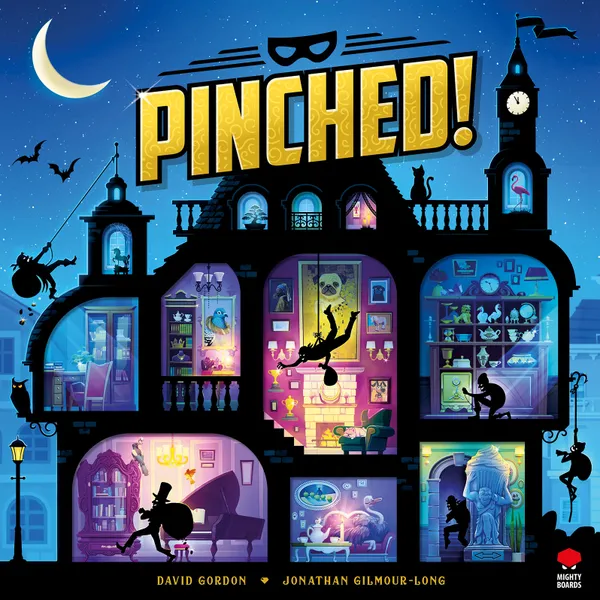
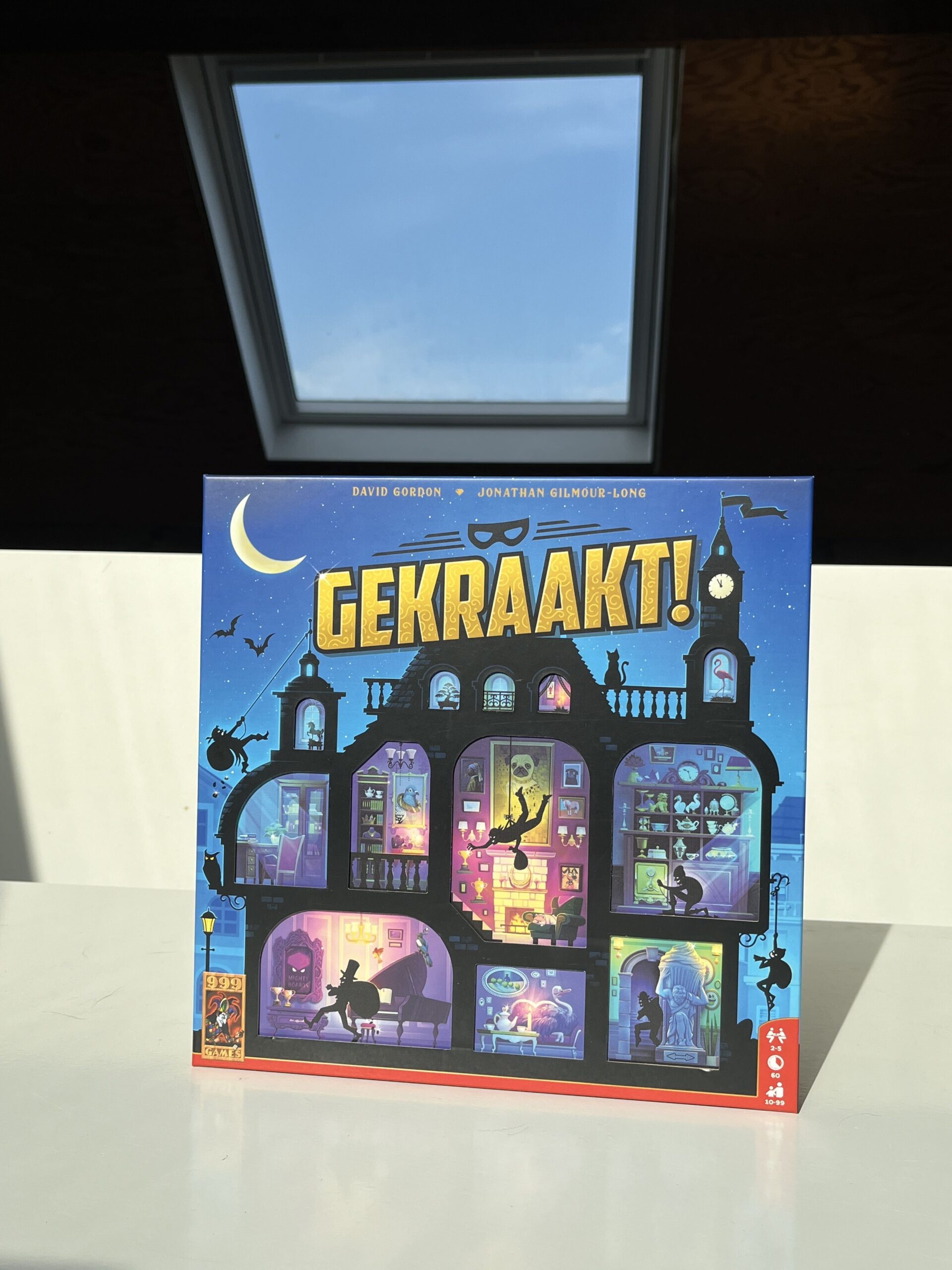
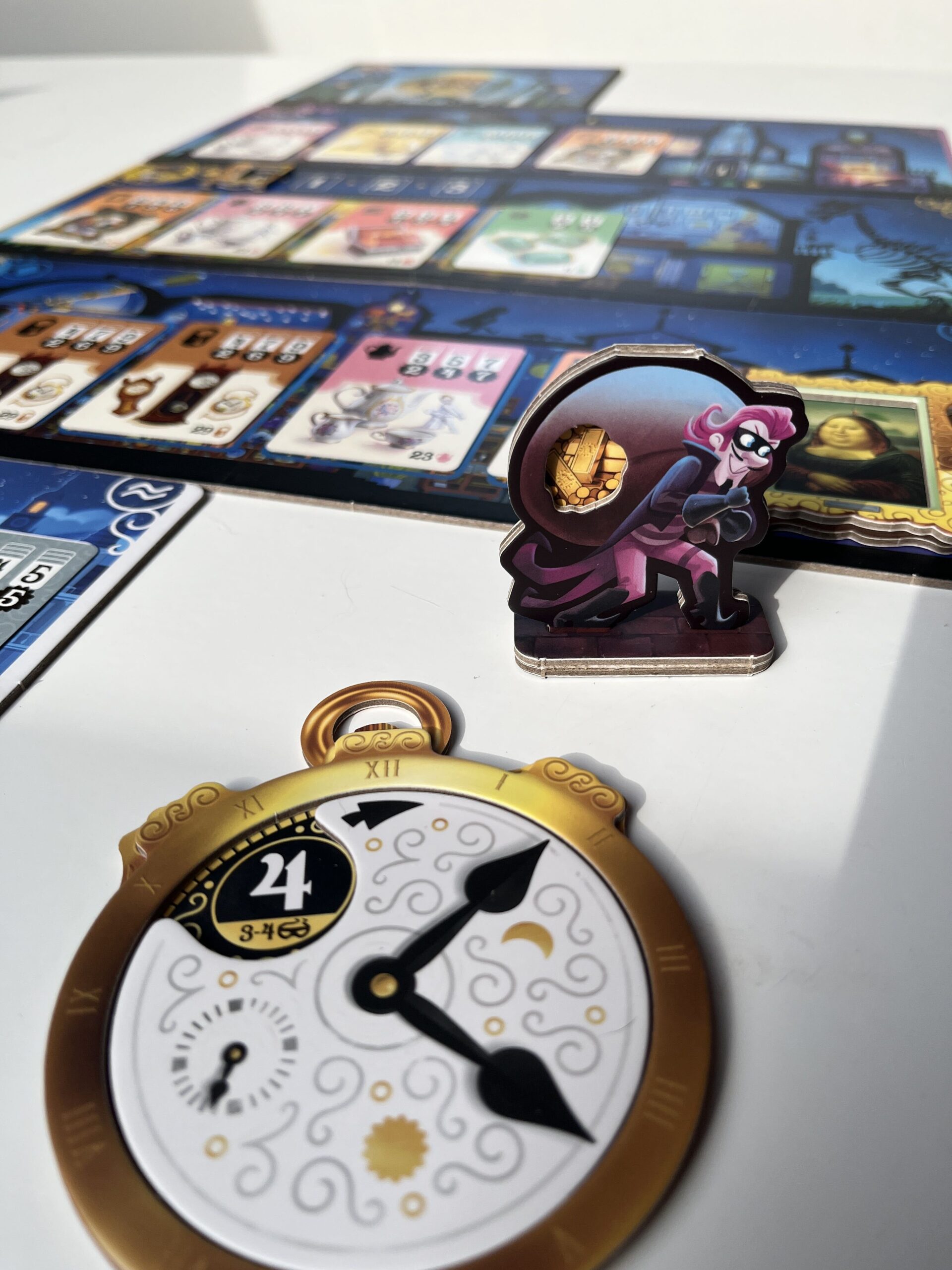
Have you ever fantasized about planning the perfect heist with your team of little crooks? A while back, a heist took place at the Louvre that really captured the imagination. The Mona Lisa wasn’t stolen back then, but in Pinched!, you can steal the Lisa Mona, if you manage to throw the rest of your team off the scent.
Gameplay
During the game, you plan a heist, aiming to finish with as many valuable items or as much money as possible after a series of rounds, each representing a week. Each week, a different player acts as the mastermind behind the operation; if you aren’t the mastermind yourself, you try to join the player planning the heist so you can share in the value of the stolen goods.
As the heist planner, you secretly choose a location to rob. Once you have chosen a location, the other robbers try to figure out where the mastermind is heading so they can share in the spoils. During this phase, the player experience is enhanced by plenty of banter, as players try to determine whether the mastermind is bluffing.
Next, the other players choose a location, and all choices are revealed simultaneously.
In the following phase, the heist takes place: any player who chose the correct location (the mastermind’s location) selects a piece of loot from that site, thereby distributing the value. This is why the mastermind prefers to arrive at the location alone; doing so allows them to claim all the loot there and activate any potential special benefits.
After the heist, you can store your loot in one of the slots on your personal board. You must follow a few rules when doing this. First, items of the same type must be grouped together in the same slot; the more items of a single type you have, the more valuable that collection becomes. Any item of a new type must be placed in an empty slot on your board. Items that do not fit on your board remain in your hand until you become the mastermind again. There are also items that act as wildcards, fitting into any collection and allowing you to expand your sets. Once everyone has secured their loot, the Mastermind may sell or discard items. They can choose to sell a set for the value indicated on the cards; the more cards of the same type you have, the more you earn. The Mastermind can sell as many items as they wish, and as soon as a slot on their player board opens up, they can start a new collection from their hand. Once the decision is made to stop selling, the Mastermind must discard any remaining cards in their hand.
While the Mastermind is selling and discarding, all other players (starting with the player to the Mastermind’s left) may take a card from the “river.”
Finally, all locations are replenished, and the Mastermind token passes to the next player.
That covers the basics of the game, but once you are familiar with the mechanics, you have the option to add special location actions to make the game more exciting. For instance, with four or more players, a Bank location is added; as the Mastermind, you want to visit it, but not alone, and not with everyone else.
Plan your heist carefully and share enough information with the other robbers, but not all of it to pull off the most successful break-in possible.
Game Mechanics
Bluffing and deduction are central to this game, as the goal is to figure out where the planner is heading. You can try to throw the other robbers off the scent by bluffing—or even by double-bluffing—but the choice is yours. Choose wisely, though, because before you know it, there won’t be much of the loot left.
What’s more, Pinched! includes a set-collection element, as you’ll want to gather as much of the same type of loot as possible to increase its value.
My Humble Opinion
I became interested in the game while researching for Spiel ’25, but by the time I reached the booth, it was already sold out and there was a very long line to play it, so I gave up on it then. A month later, I had the chance to play the game at the Spel Antwerpen fair at a booth run by one of the attending board game clubs. We had such a great time that I was convinced I wanted the game, though I managed to hold off whenever I saw it for sale—until I heard it was going to be released in Dutch by 999 Games. I have since received the game and discovered that it offers a solid foundation for a fun group experience. There is plenty of laughter and bluffing, and I’ve enjoyed playing it every time. The game’s playful touches—such as the “Lisa Mona” painting—are a really nice addition, and I highly recommend it to families or groups of friends who enjoy a lighthearted game that offers a bit more depth than a standard party game.
What makes the game so strong?
- A lighthearted game with very easy-to-learn rules.
- Quick to set up and get playing.
- Fun art style with a humorous touch.
- It gets better with a group willing to engage in “table talk,” as that makes the game funnier and more enjoyable.
Is it all just positive?
I can imagine that the game isn’t for everyone and that not everyone will appreciate the style, but it worked for me. As mentioned earlier, the game can become dull if there is no bluffing or chatting between rounds to figure out where the planner is heading. So, whether the game works depends somewhat on the group, but with the right crowd, it’s a nice, lighthearted game. Finally, there is a chance the game could become repetitive after playing it a number of times, as there is little room for variation once you switch to the advanced version. At that point, the only real factors influencing the game are the group of players and the table dynamics.
Conclusion
The humorous undertone, art style, and table dynamics make this a real keeper for me. I enjoyed playing it and look forward to bringing it to the table again. The game might run a little long given its lighthearted nature, but it is essential that you get to play the role of mastermind more than just once. All in all, it was a great addition to my game collection, and I’m happy to give it a solid 7.5/10.